
FERRIC ALUM
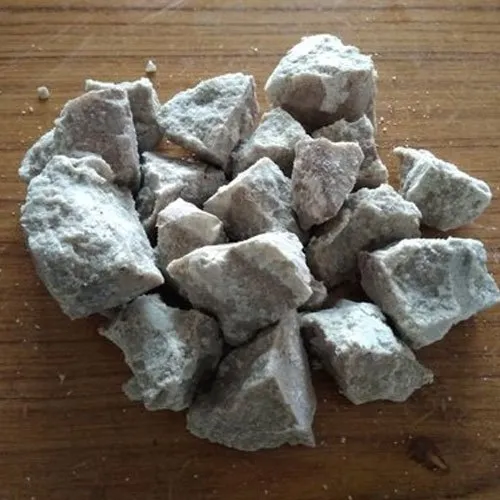
Ferric Alum
Ferric alum, also known as ferric ammonium sulfate, is a chemical compound with the formula FeNH₄(SO₄)₂·12H₂O. It is a double salt of ferric sulfate and ammonium sulfate, typically found in a hydrated form.
- Ferric alum is commonly used as a coagulant in wastewater treatment. It helps in the aggregation of fine particles into larger flocs, which can then be easily removed by sedimentation or filtration.
- It is effective in removing phosphates from wastewater, which helps in preventing eutrophication in receiving water bodies.
- In paper manufacturing, ferric alum is used as a sizing agent. It helps in improving the paper’s resistance to water by reacting with rosin to form an insoluble compound that precipitates onto the fibers.
- Ferric alum contributes to the enhancement of the paper’s strength and durability by facilitating the binding of fibers.
- Ferric alum is used in the clarification process during the production of various pharmaceuticals. It helps in removing suspended impurities, thereby improving the purity of the final product.
| Specifications | Grade LM | |
|---|---|---|
| % CaCO3 | Min | 94% |
| % MgCO3 | Max | 2.5 |
| % Silica | Max | 1.5 |
| % Fe2O3 | Max | 0.2 |
| % Others | Max | 0.6 |